
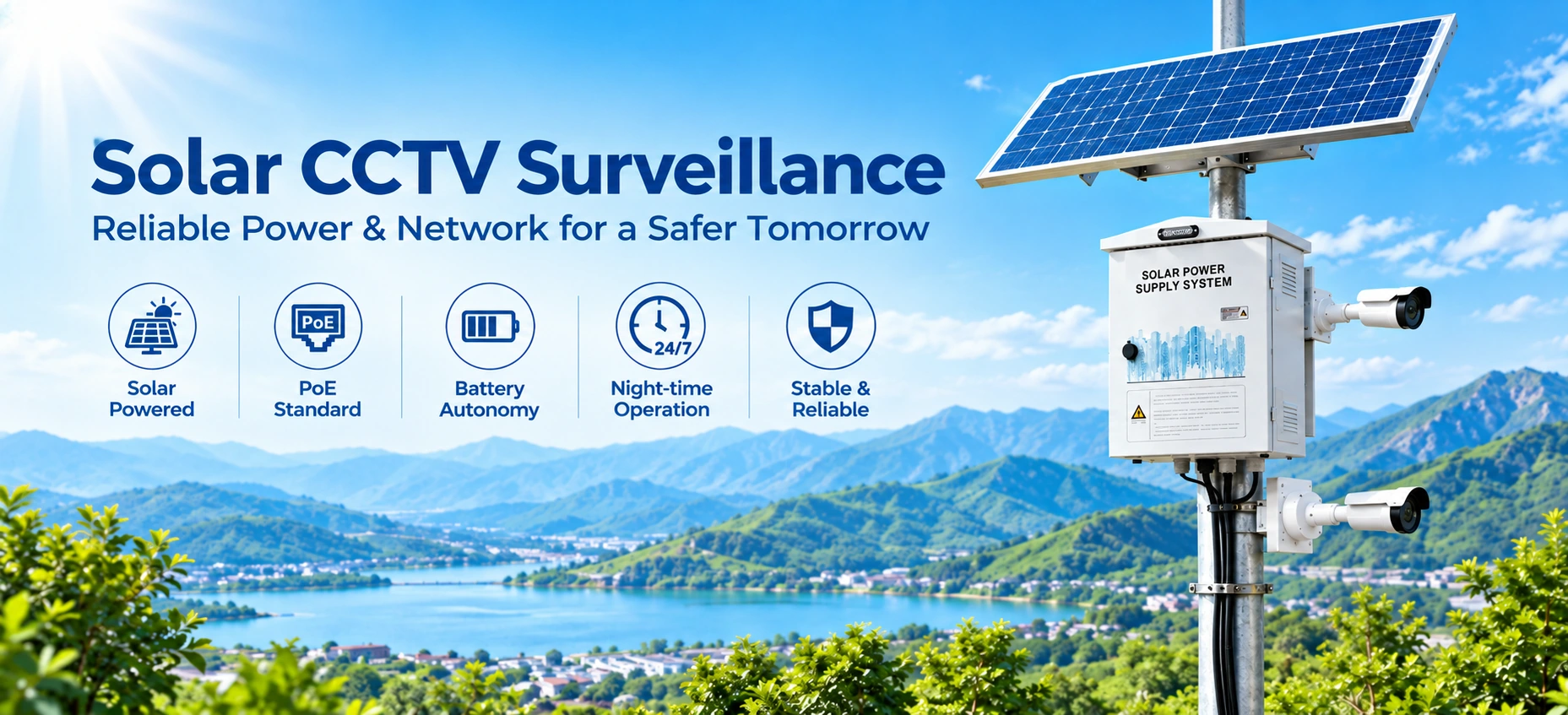
Solar Smart Cabinet Supplier for Outdoor IoT and Off-Grid Power
Integrated solar power, battery storage, PoE/DC outputs, and optional communication functions for remote monitoring and off-grid deployments.
What Is a Solar Smart Cabinet?
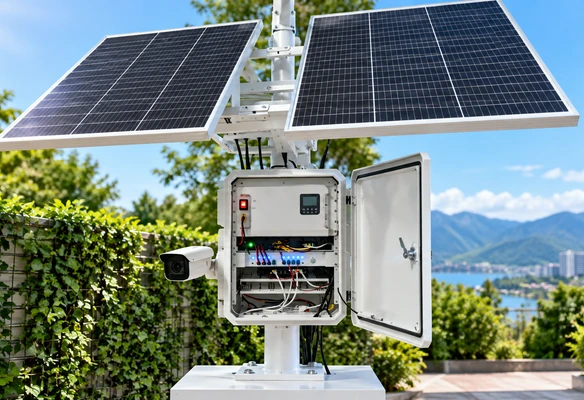
A Solar Smart Cabinet combines solar charging, battery storage, power distribution, and optional network or IoT functions in one project-oriented system. Depending on the configuration, it can supply PoE cameras, wireless equipment, sensors, RTU/DTU devices, communication equipment, and other low-voltage outdoor loads.
It is designed for locations where grid power is unavailable, unreliable, expensive to extend, or difficult to maintain. The correct configuration depends on connected load, solar conditions, required autonomy, communication method, battery capacity, and whether utility power is available.
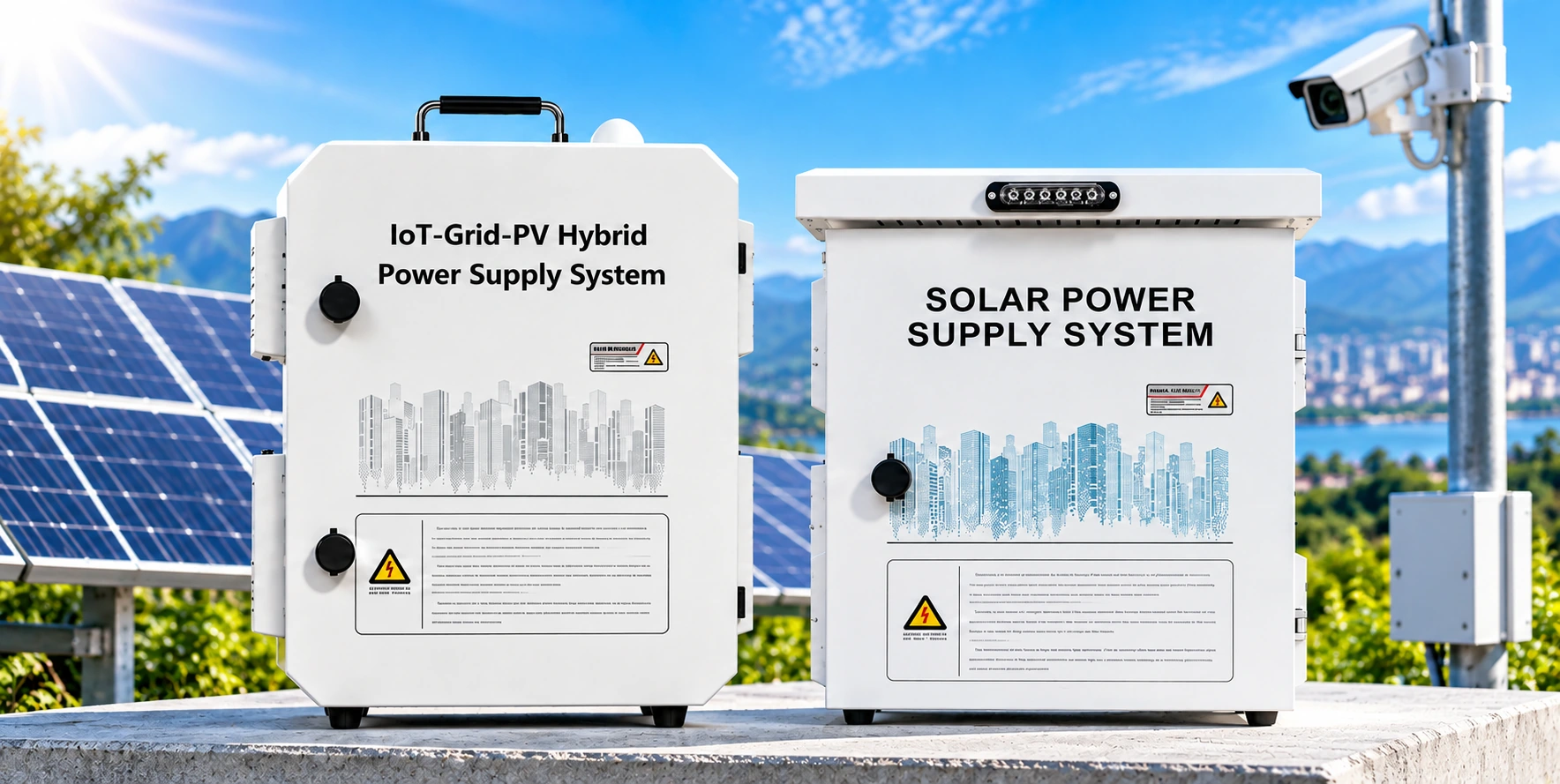
Solar Smart Box Product Range
Explore our portfolio of integrated power solutions designed for specific remote applications.
1. Integrated IoT PoE Solar Smart Cabinet
For outdoor CCTV, wireless networking, and industrial IoT loads that need solar charging, battery storage, PoE delivery, DC outputs, and centralized power management.
Max3308 Family Confirmed Facts:
- MPPT charge and discharge management
- Eight 100/1000M 802.3bt PoE ports
- Nominal max output up to 90W per PoE port
- 12V/3A EPS backup output
- 12V/5A DC output
- 35A MC4 solar input
- OLED or status display
- Communication/management per configuration
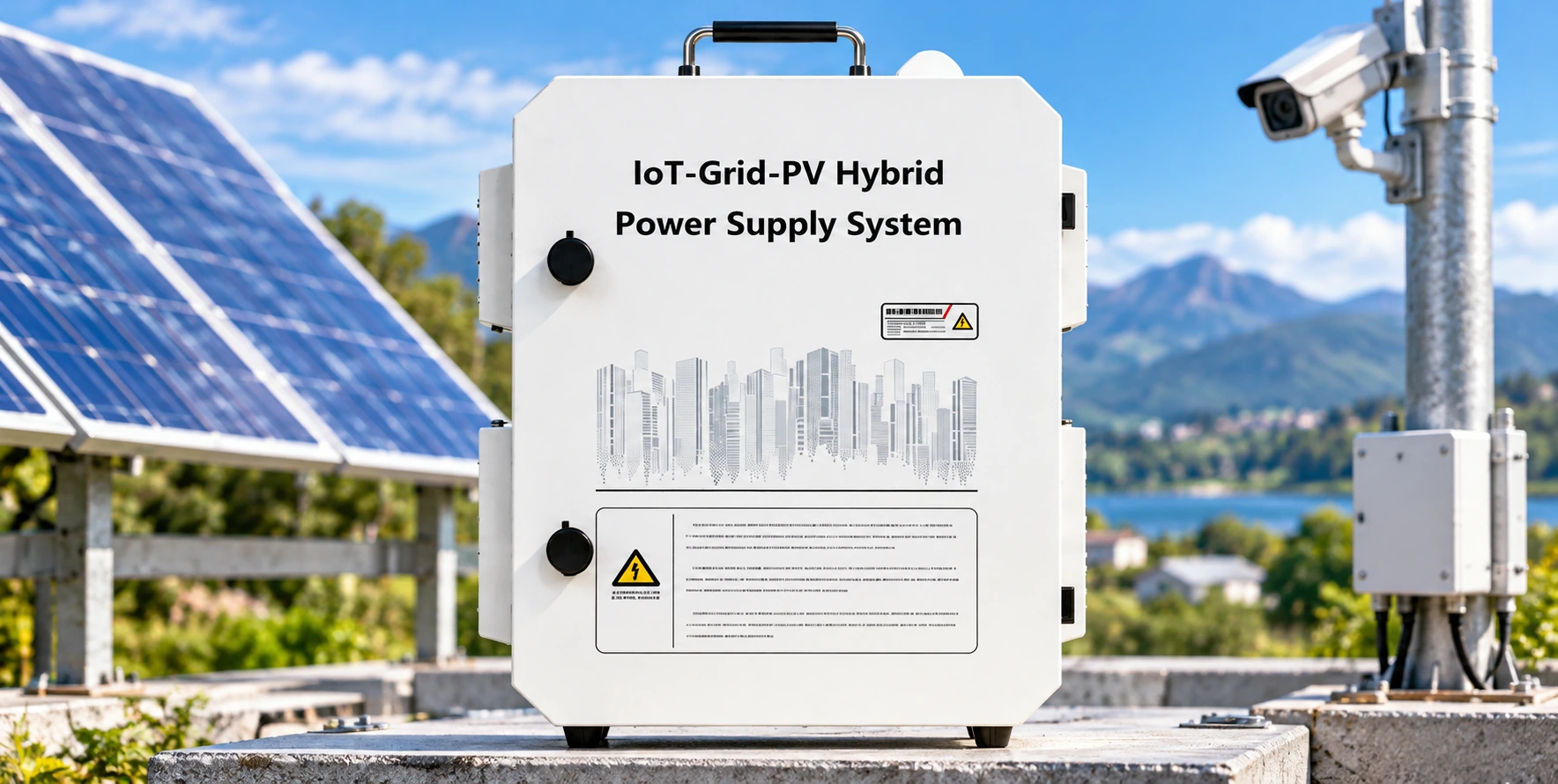
2. Hybrid AC + Solar Smart Cabinet
For sites that need solar power with utility backup, priority switching, or a hybrid energy strategy. Availability of AC conversion, utility/solar priority management, and 4G remote management depends on the selected configuration.
Max3408 Family Information:
- 24V battery system
- MPPT charging up to 20A (where specified)
- Two 100/1000M 802.3bt PoE ports (up to 90W/port)
- 12V/5A DC output
- 24V/5A or 36V/5A output according to configuration
- 12V/3A EPS output
- 35A MC4 solar input
- Optional utility/solar priority switching, AC converter, and 4G remote management
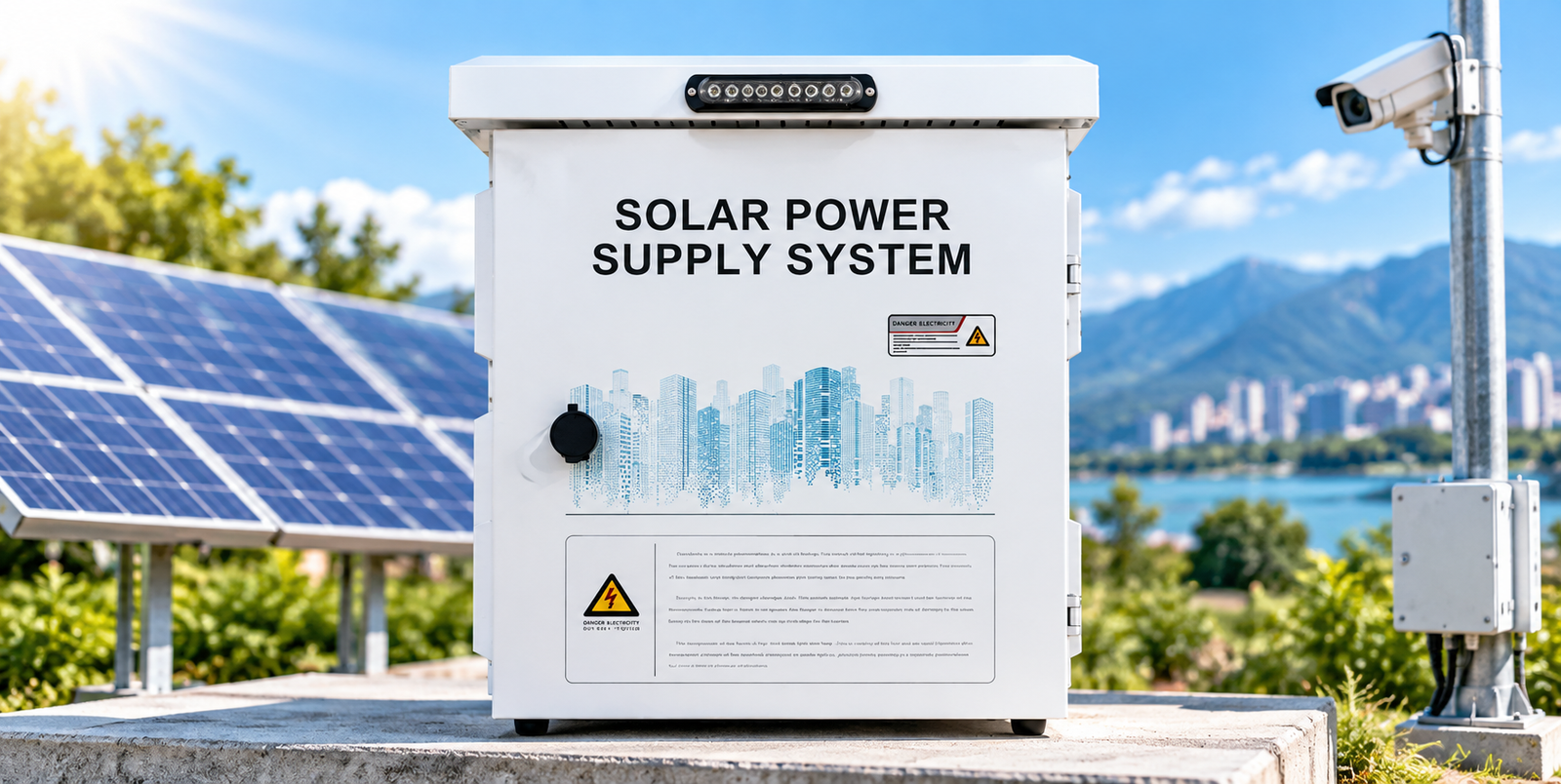
3. Basic Off-Grid Solar Power Supply Cabinet
For essential solar-battery power supply where integrated Ethernet switching or advanced IoT management is not required. Use this option for simpler off-grid loads, remote equipment, and project-specific power distribution.
Output voltage, battery capacity, enclosure rating, and autonomy values are confirmed based on specific selected product documents during project consultation.
How a Solar Smart Box Works
A modular approach to off-grid power generation, storage, and intelligent distribution. Output ports, battery size, communications, and utility backup are configuration-dependent.
PV Panel
MPPT Charge Management
Battery Storage
PoE / DC / EPS Outputs
Cameras, Sensors, Routers, RTU/DTU
+ Optional Remote Communication and Management
Compare Solar Smart Cabinet Configurations
Review the core capabilities of our verified product families to find the right baseline for your project.
| Configuration | Main Use | Solar Input | Battery System | PoE Output | DC/EPS Output | Communication | Utility Backup |
|---|---|---|---|---|---|---|---|
| Max3308 Family | IoT, CCTV, Network | 35A MC4 | According to configuration | 8 ports (up to 90W/port) | 12V/5A DC, 12V/3A EPS | According to configuration | Not standard |
| Max3408 Family | Hybrid AC/Solar priority | 35A MC4 | 24V System | 2 ports (up to 90W/port) | Configurable DC, 12V/3A EPS | Optional 4G | Hybrid AC input path |
| Basic Version | Simple off-grid power | Model-specific | Model-specific | Not required | Model-specific | Basic/None | Not standard |
| Custom Project | Tailored to specific load, autonomy, and environmental requirements. Inquire Now | ||||||
Solve Remote Power and Connectivity Challenges
Our Solar Smart Box solutions address the common hurdles of deploying technology in off-grid environments.
No Grid Power
Use solar generation and battery storage to support remote loads without extending utility infrastructure.
Multiple Outdoor Devices
Combine PoE, DC, EPS, and communication functions in a coordinated, single-enclosure power system.
Unstable Energy Supply
Use correctly sized storage and, where available, hybrid AC/solar configuration to improve power continuity.
Difficult Maintenance
Use status display, remote management, remote restart, or communication functions only where supported by the selected model.
Unclear System Sizing
Ask for site load, solar conditions, autonomy, device count, communication method, and utility availability before recommending a configuration.
Solar Smart Cabinet Applications
Reliable off-grid power distribution across various industries and remote environments.
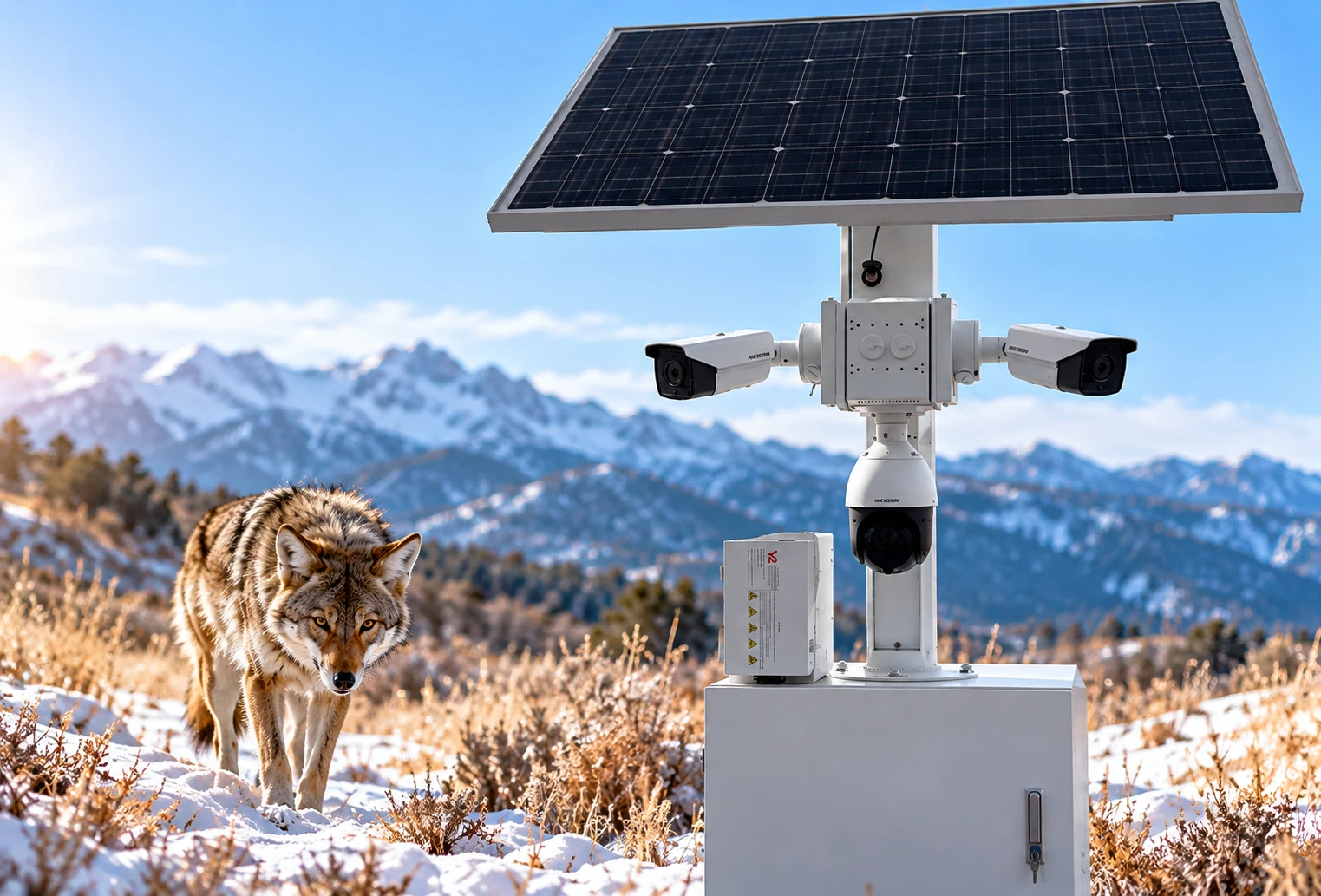
Solar CCTV & Security
Use Case: Perimeter surveillance without grid access.
Note: Calculate night-time infrared load accurately.
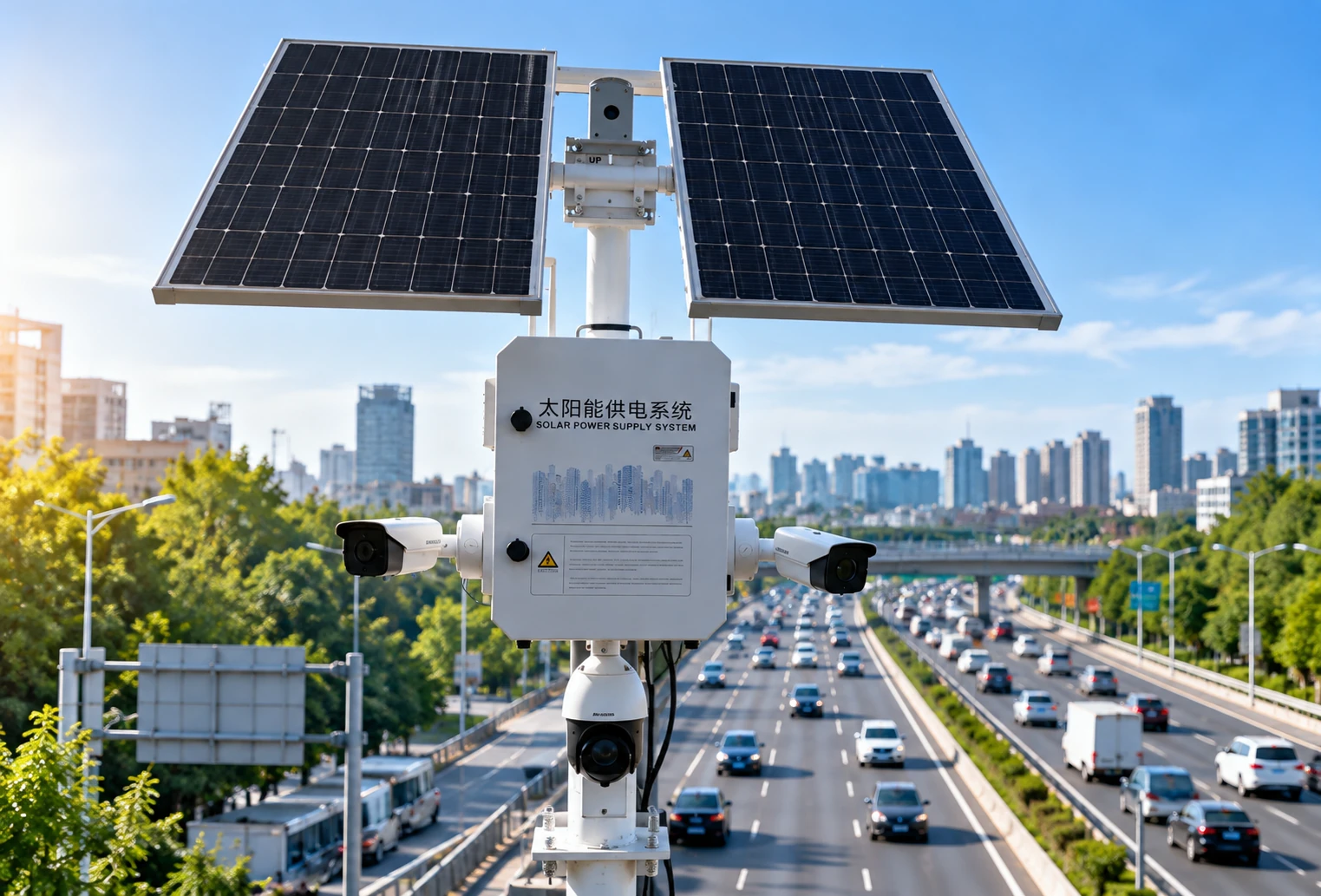
Traffic Monitoring
Use Case: Highway ANPR and flow cameras.
Note: Ensure robust PoE output for high-speed cameras.
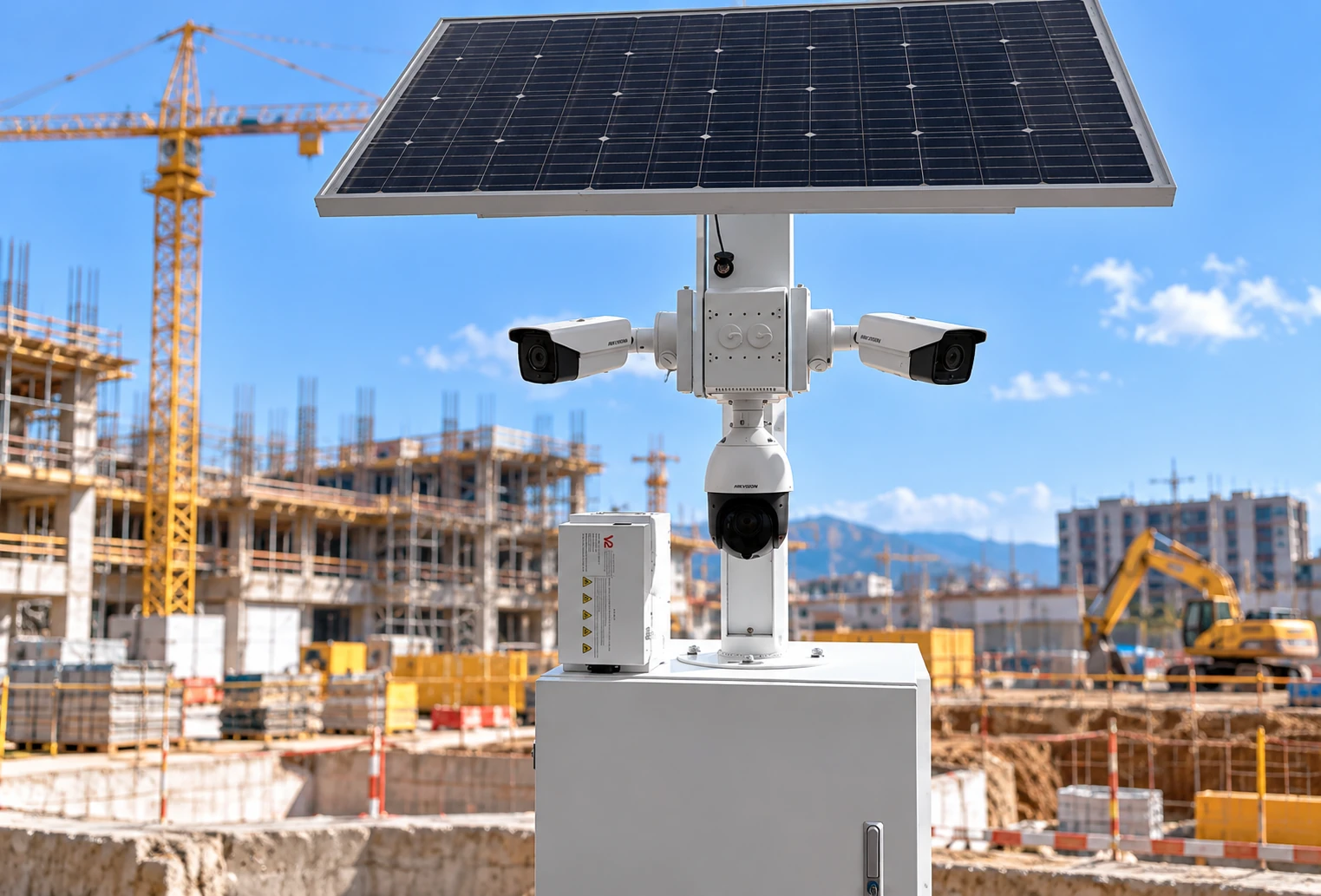
Construction Sites
Use Case: Temporary security and time-lapse.
Note: Consider easily relocatable mounting setups.
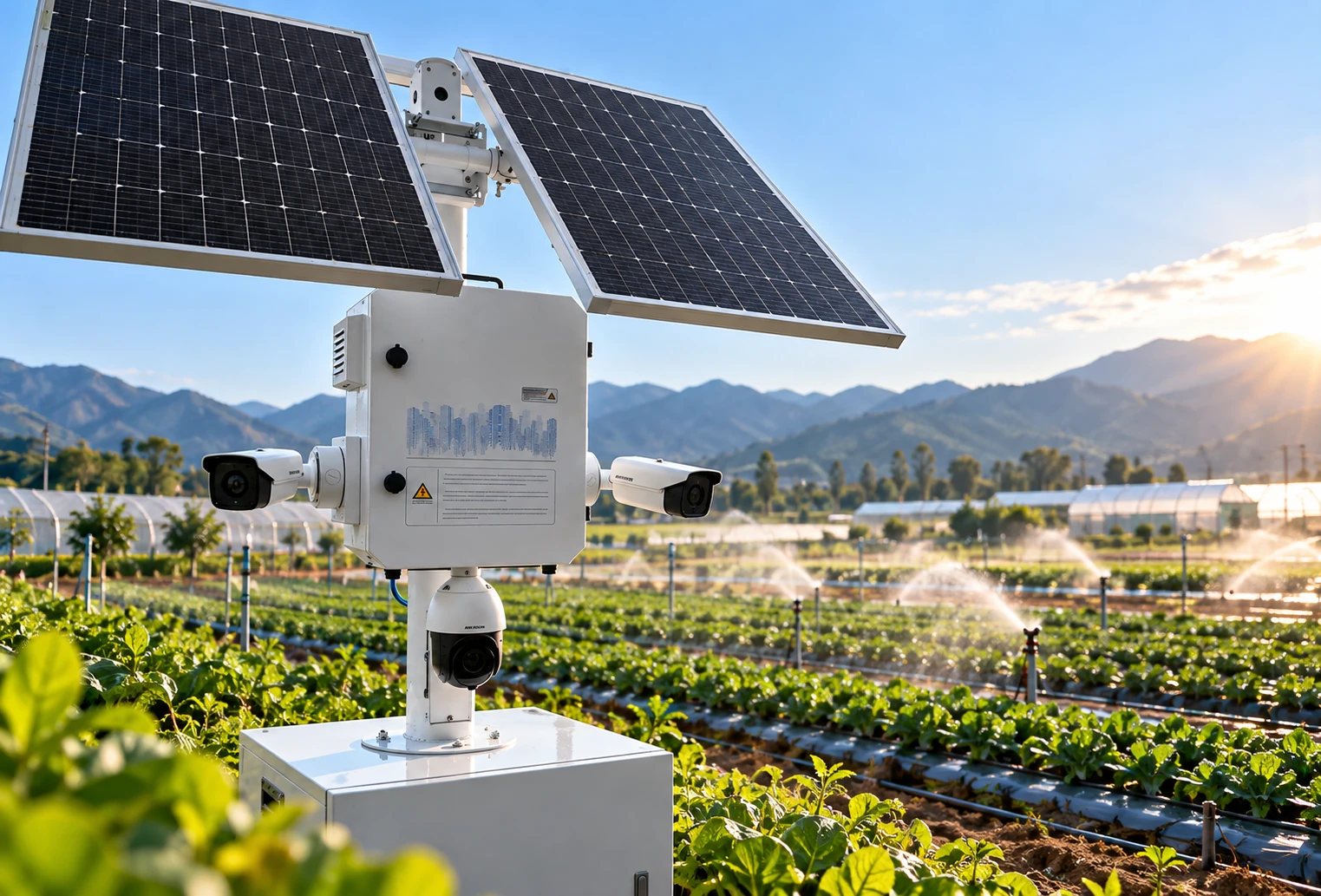
Smart Agriculture
Use Case: Soil sensors and automated irrigation control.
Note: Verify required DC voltages for sensor arrays.
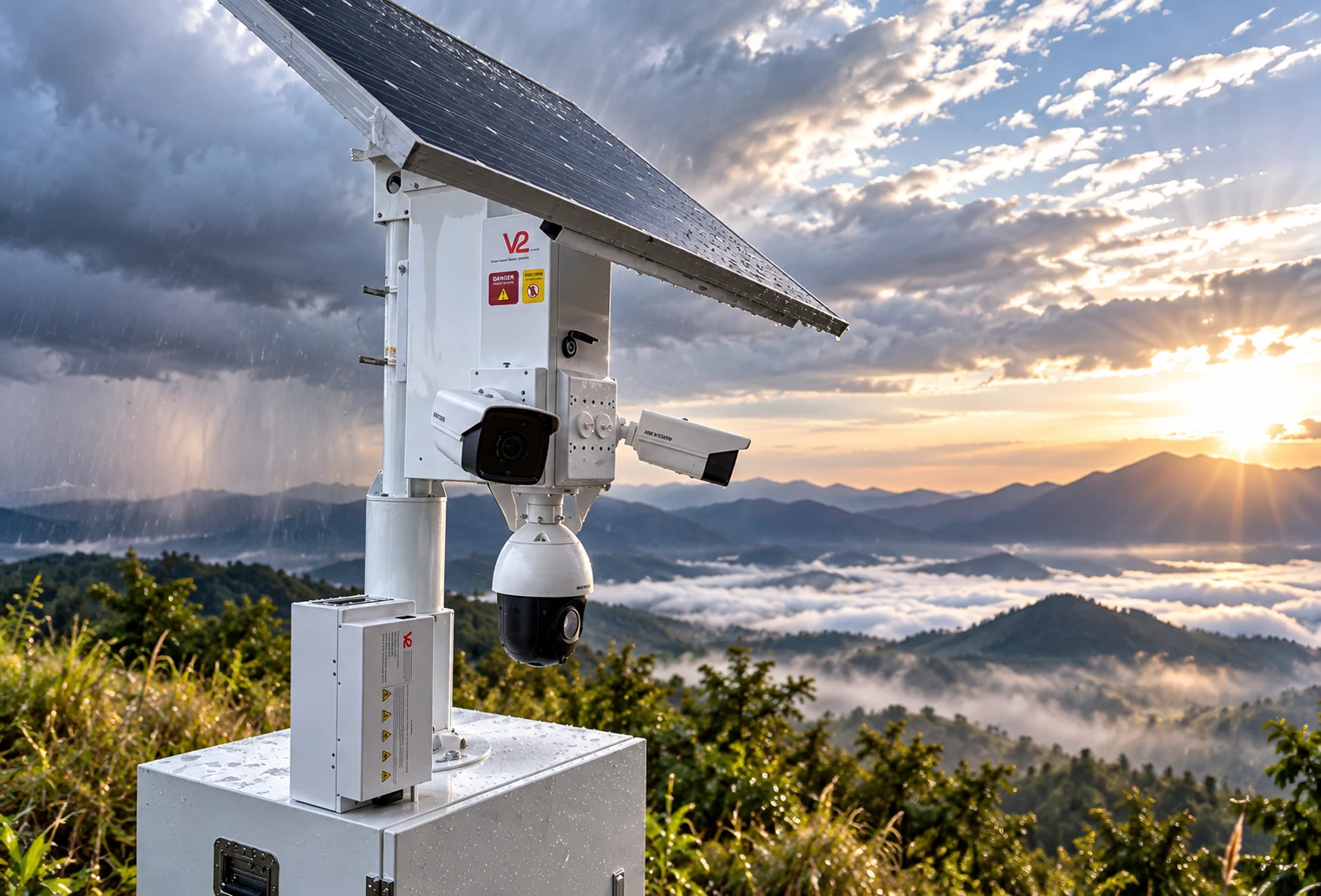
Weather Monitoring
Use Case: Remote meteorological stations.
Note: Check communication module compatibility.
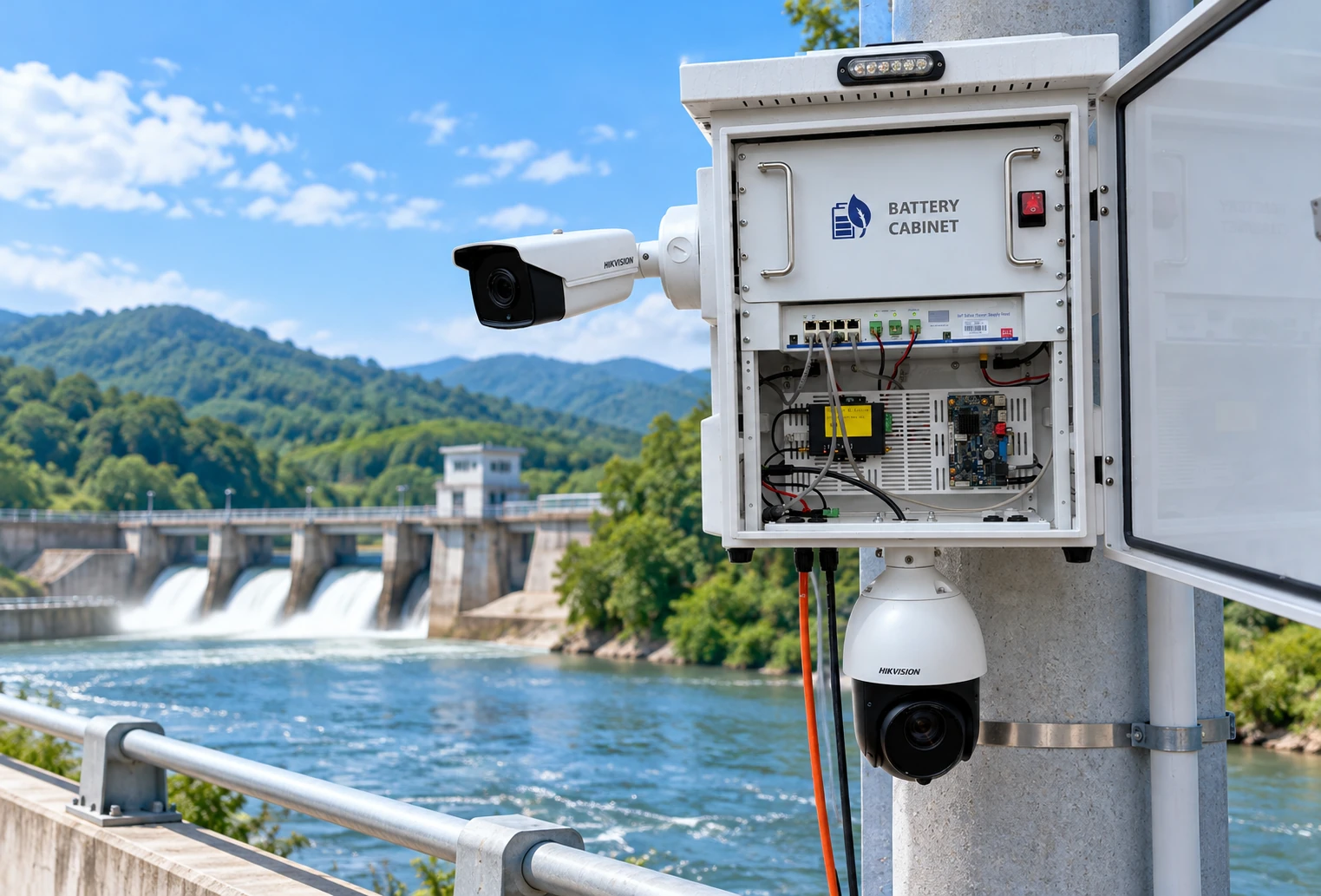
Water & Hydrology
Use Case: Flood warning and level sensing.
Note: Confirm enclosure protection requirements.
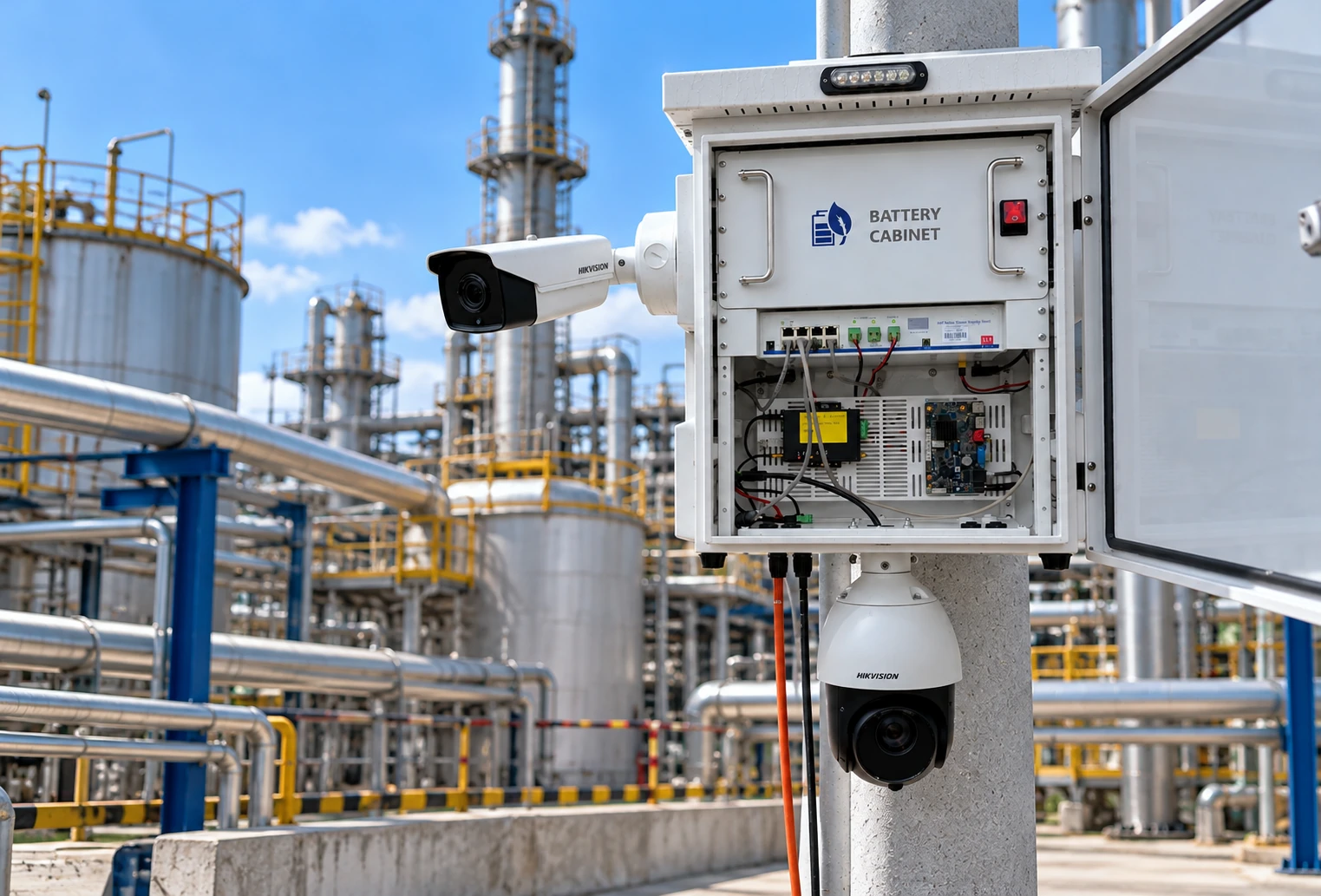
Industrial IoT
Use Case: RTU/DTU data collection at remote assets.
Note: RS485/Modbus interface may be needed.
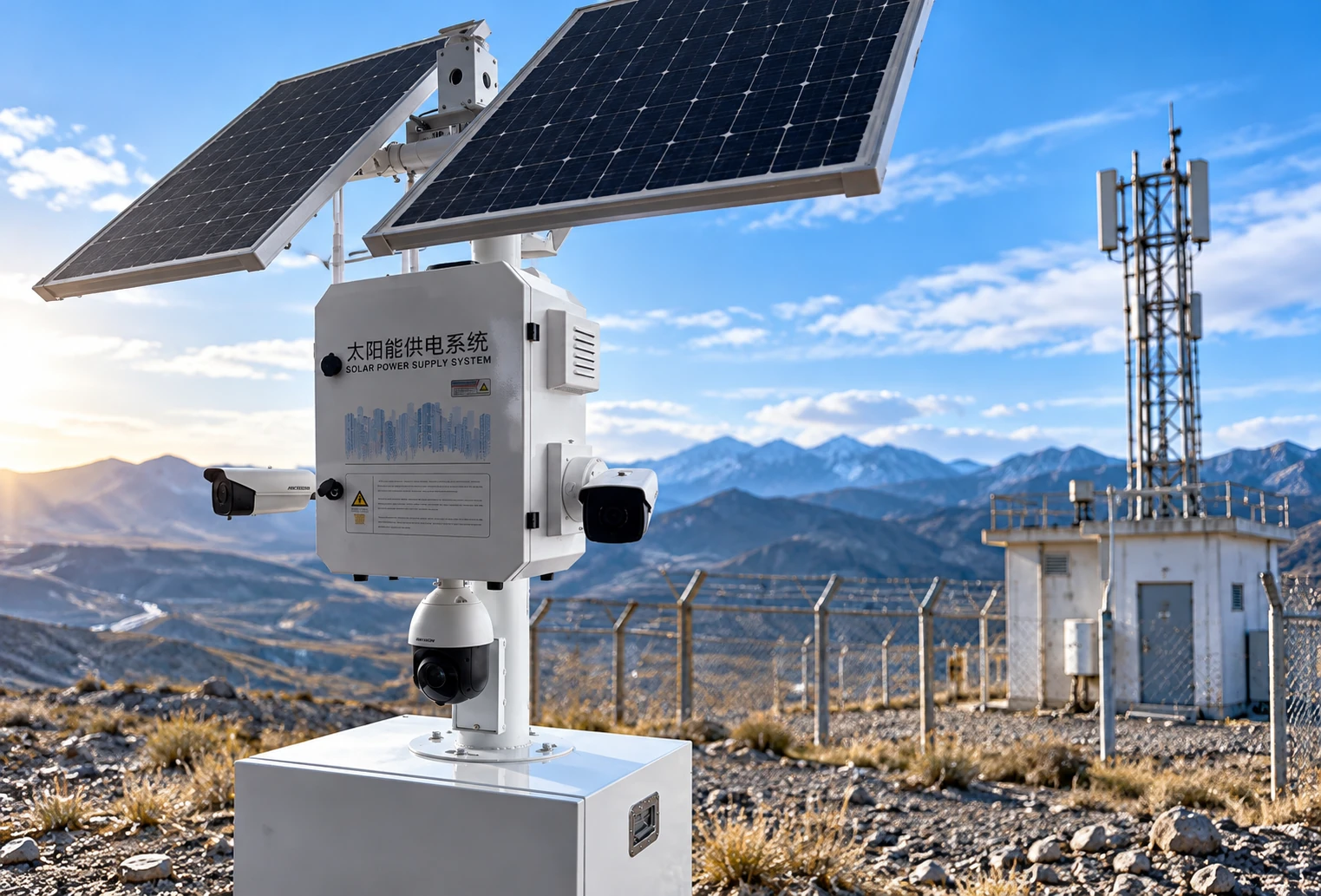
Unattended Sites
Use Case: Ports, oil & gas pipeline monitoring.
Note: High autonomy days usually required.
How to Choose a Solar Smart Cabinet
-
1
List every connected device.
-
2
Record continuous and peak power.
-
3
Confirm PoE, DC, EPS, and communication requirements.
-
4
Estimate night-time and cloudy-day energy needs.
-
5
Confirm solar resource and mounting conditions.
-
6
Decide between off-grid and hybrid AC/solar operation.
-
7
Select battery capacity and output configuration.
-
8
Confirm enclosure, temperature, installation, and protection requirements from the model documentation.
-
9
Request a configuration review before ordering.
Installation and Maintenance Considerations
Proper installation and regular checks ensure the longevity and reliability of your outdoor power system.
- Install the box, solar panel, battery, and cables according to the approved manual.
- Confirm polarity, cable sizing, grounding, ventilation, and weather exposure requirements.
- Do not describe the controller or enclosure as waterproof unless the selected model documentation confirms it.
- Keep the solar panel clear of shading.
- Check connectors, battery condition, cable routing, and communication status during maintenance.
- Use qualified personnel for AC utility connections and project-specific electrical work.
Technical Documents and Configuration Support
Access specifications, manuals, and diagrams to plan your deployment.
If a specific document is not listed, please use the form below to request the technical documentation.
Solar Power Equipment Support for Remote Projects
Our product portfolio covers solar charge control, solar PoE switching, integrated solar power systems, solar CCTV solutions, batteries, mounting components, and related outdoor power equipment.
We help customers match power inputs, battery storage, outputs, communication functions, and application requirements to the project.
Frequently Asked Questions
Common technical and configuration questions regarding Solar Smart Boxes.
What is a Solar Smart Box and how does it work?
How many cameras can a Solar Smart Box power?
How do I size the solar panel and battery for a Solar Smart Box?
What is the difference between a Solar Smart Box and a solar PoE switch?
Can a Solar Smart Box support both solar power and utility power?
Which Solar Smart Box is suitable for remote CCTV monitoring?
Can a Solar Smart Box power sensors, routers, RTU, and DTU devices?
What PoE, DC, and EPS outputs are available?
How does a Solar Smart Box operate during cloudy days or at night?
What information is needed to configure a Solar Smart Box?
Need a Solar Smart Cabinet for Your Project?
Share your load list, device quantity, required autonomy, solar conditions, communication method, installation location, and utility-power availability. Our team will recommend a suitable Solar Smart Box configuration and provide the relevant technical documentation.